Firearm customization is an exciting journey that allows you to transform a standard weapon into a personalized tool that meets your unique needs and preferences. Whether you’re a prospective gun owner or someone looking to enhance their current firearm, understanding the art of customization can be both empowering and rewarding. We’ll guide you through the basic steps of customizing your firearm responsibly, ensuring safety and functionality are always top priorities. From selecting the right accessories to learning about the nuances of firearm training, this guide aims to boost your confidence and knowledge in this engaging hobby. Join us as we explore how to make your firearm truly one-of-a-kind while promoting responsible ownership and usage.
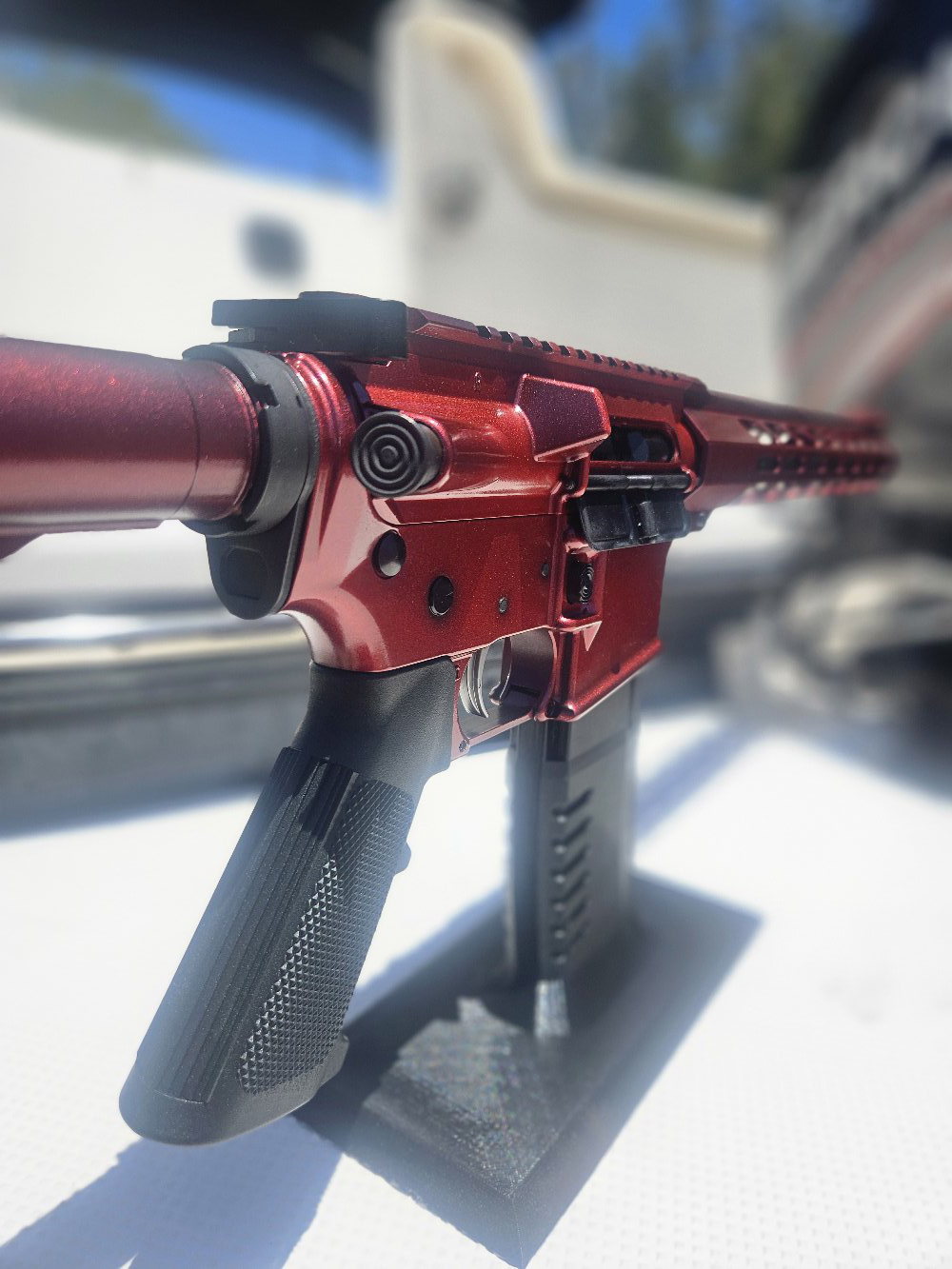
Understanding Firearm Customization
Before diving into the world of firearm customization, it’s essential to grasp the basics. This section will explore what customization entails, why people choose to customize their firearms, and the legal considerations you need to keep in mind.
What is Firearm Customization?
Firearm customization is the process of modifying a standard firearm to enhance its performance, aesthetics, or functionality. This can range from simple changes like adding a new grip to more complex modifications such as changing the barrel or trigger mechanism.
Customization allows gun owners to tailor their firearms to their specific needs and preferences. It’s a way to personalize your weapon and make it uniquely yours.
However, it’s crucial to understand that customization isn’t just about making your firearm look cool. It’s about improving its functionality and your ability to use it effectively and safely.
Why Customize Your Firearm?
People customize their firearms for various reasons, each as unique as the individual gun owner. Here are some common motivations:
Improved Performance: Many customizations aim to enhance accuracy, reduce recoil, or increase reliability.
Better Ergonomics: Custom grips, stocks, and other components can make a firearm more comfortable to hold and use.
Personal Expression: Some owners enjoy the aesthetic aspects of customization, viewing their firearm as a canvas for personal expression.
Specific Use Cases: Hunters, competitive shooters, and self-defense practitioners often customize their firearms to suit their particular needs.
Remember, the goal of customization should always be to create a safer, more effective tool that aligns with your specific requirements and skill level.
Legal Considerations
Before you start customizing your firearm, it’s crucial to understand the legal landscape. Firearm laws vary significantly by location and can be complex.
Some modifications may be restricted or outright illegal in certain jurisdictions. For example, altering the capacity of a magazine or modifying a semi-automatic weapon to fire automatically is illegal in many places.
Always research local, state, and federal laws before making any modifications. Ignorance of the law is not a defense, and violations can result in severe penalties.
Consider consulting with a lawyer specializing in firearm laws or a reputable gunsmith to ensure your customizations are legal and safe.
Essential Customization Components
Now that we understand the basics, let’s explore some of the key components you might consider when customizing your firearm. These elements can significantly impact your firearm’s performance and your shooting experience.
Grips and Stocks
Grips and stocks are often the first components gun owners customize. They play a crucial role in how you handle and control your firearm.
A well-fitted grip can improve your accuracy and reduce fatigue during extended shooting sessions. It should feel comfortable in your hand and allow for a firm, consistent hold.
Stocks, on the other hand, affect how the firearm sits against your shoulder. A custom stock can improve your cheek weld and overall shooting stance.
When choosing grips or stocks, consider factors like material (wood, polymer, rubber), texture, and ergonomics. Remember, what works for one person may not work for another – it’s all about finding what suits you best.
Sights and Optics
Upgrading your sights or adding optics can dramatically improve your accuracy and target acquisition speed. There are several options to consider:
Iron Sights: Traditional and reliable, these can be upgraded for better visibility or faster target acquisition.
Red Dot Sights: Offer quick target acquisition, especially in close-quarters situations.
Scopes: Ideal for long-range shooting, providing magnification and precision.
Holographic Sights: Provide a wide field of view and fast target acquisition.
Choose based on your intended use, whether it’s home defense, hunting, or competitive shooting. Remember, the best sight is one you can use effectively and maintain properly.
Triggers and Guards
The trigger is your primary interface with the firearm, making it a critical component for customization. A good trigger can significantly improve your accuracy and overall shooting experience.
Trigger customizations might include:
Adjusting pull weight
Changing the trigger shape
Installing a trigger with a shorter reset
Trigger guards can also be modified for better access, especially when wearing gloves. However, always prioritize safety when modifying these components.
Remember, any changes to the trigger mechanism should be done by a qualified gunsmith to ensure safety and reliability.
Enhancing Performance and Safety
Customization isn’t just about aesthetics – it’s about creating a firearm that performs better and more safely. This section will explore how to improve accuracy, boost reliability, and ensure safe usage through customization.
Improving Accuracy
Accuracy is often the primary goal of firearm customization. Several modifications can help improve your precision:
Barrel upgrades: A high-quality barrel can significantly enhance accuracy.
Muzzle devices: Compensators or flash hiders can help manage recoil and muzzle rise.
Trigger jobs: A smoother, lighter trigger pull can lead to more consistent shots.
Remember, while these modifications can help, they’re no substitute for proper technique and practice. The best upgrade is always investing time in improving your skills.
Boosting Reliability
A reliable firearm is crucial for any application, whether it’s self-defense, hunting, or competition shooting. Here are some ways to enhance reliability:
Upgrading the extractor and ejector for more consistent case ejection
Installing a high-quality recoil spring to ensure proper cycling
Using premium magazines for smoother feeding
Regular maintenance is also key to reliability. Even the most customized firearm will fail if not properly cared for.
Ensuring Safe Usage
Safety should always be the top priority when customizing your firearm. Here are some customizations that can enhance safety:
Installing a better safety mechanism
Adding a grip safety for an extra layer of protection
Upgrading to night sights for better visibility in low-light conditions
Remember, no customization can replace proper training and adherence to fundamental firearm safety rules. Always treat every firearm as if it’s loaded, keep your finger off the trigger until ready to shoot, and be sure of your target and what’s beyond it.
Personalizing Your Firearm
Customization allows you to create a firearm that’s uniquely yours. This section explores how to personalize your firearm through aesthetic modifications, ergonomic improvements, and customizations based on your skill level.
Aesthetic Modifications
Aesthetic modifications allow you to express your personality through your firearm. These can include:
Custom paint jobs or cerakote finishes
Engraving or laser etching
Custom grips or stocks with unique patterns or materials
While aesthetics can be fun, remember that function should always come before form. Ensure any cosmetic modifications don’t interfere with the firearm’s operation or safety features.
Consider the environment you’ll be using the firearm in. A bright, flashy finish might look great at the range but could be impractical for hunting or tactical situations.
Comfort and Ergonomics
Ergonomic customizations can significantly improve your shooting experience and performance. These modifications focus on making the firearm more comfortable and easier to use.
Key areas for ergonomic customization include:
Adjustable stocks for a perfect length of pull
Custom grips shaped to your hand
Extended magazine releases or slide stops for easier manipulation
Remember, ergonomics are highly personal. What works for one shooter may not work for another. Take the time to experiment and find what works best for you.
Customization for Skill Level
Your skill level should guide your customization choices. As a beginner, focus on modifications that enhance learning and basic functionality. As you advance, you can explore more complex customizations.
For beginners:
Simple sight upgrades for better visibility
Basic grip enhancements for comfort
For advanced users:
Competition-grade triggers
Specialized optics for long-range shooting
Always match your customizations to your current abilities and gradually upgrade as your skills improve. This approach ensures you’re not relying on equipment to compensate for lack of skill.
Responsible Customization Practices
Customizing your firearm is an exciting process, but it comes with responsibilities. This section will guide you through legal compliance, the importance of education, and when to seek professional help.
Legal Compliance and Regulations
Staying within the bounds of the law is crucial when customizing your firearm. Laws can vary significantly depending on your location, so it’s essential to do your research.
Some areas to be particularly aware of include:
Restrictions on magazine capacity
Regulations on overall firearm length
Laws regarding certain types of stocks or grips
Consider joining a local gun club or firearms association. These organizations often provide up-to-date information on local laws and regulations.
Remember, ignorance of the law is not a defense. When in doubt, consult with a legal professional specializing in firearm laws.
Educating Yourself on Upgrades
Before making any modifications, take the time to thoroughly understand what you’re doing and why. This education process should include:
Researching the pros and cons of each modification
Understanding how the modification affects the firearm’s function
Learning about potential impacts on safety and reliability
Utilize resources like reputable firearms forums, manufacturer websites, and professional training courses to expand your knowledge.
Remember, a well-informed gun owner is a responsible gun owner. Never stop learning about your firearm and potential upgrades.
Partnering with Professionals
While many customizations can be done at home, some require professional expertise. Know when to call in a professional gunsmith.
Complex modifications like:
Trigger work
Barrel replacements
Internal component upgrades
should generally be left to the experts. A professional can ensure the work is done correctly and safely.
Building a relationship with a reputable gunsmith can be invaluable. They can provide advice, perform complex work, and help you make informed decisions about future customizations.
Finding the Right Training
Customization goes hand in hand with proper training. This section will guide you through choosing the right instructor, understanding the importance of hands-on practice, and exploring continuous learning opportunities.
Choosing a Qualified Instructor
A qualified instructor can make a significant difference in your firearms journey. Look for instructors who:
Have relevant certifications and experience
Teach classes appropriate for your skill level
Emphasize safety and responsible ownership
Don’t hesitate to ask potential instructors about their background and teaching philosophy. A good instructor will be happy to answer your questions and help you understand if their class is right for you.
Remember, the most expensive or popular class isn’t always the best. Find an instructor whose teaching style matches your learning style.
Importance of Hands-on Practice
Theory is important, but there’s no substitute for hands-on practice. Regular range time allows you to:
Become familiar with your customized firearm
Develop muscle memory for safe handling
Improve your accuracy and speed
Consider setting a regular practice schedule. Even short, frequent sessions can lead to significant improvements over time.
Always practice with purpose. Set specific goals for each session and track your progress over time.
Continuous Learning Opportunities
The world of firearms and customization is always evolving. Embrace a mindset of continuous learning to stay informed and improve your skills.
Consider:
Attending firearms conventions or trade shows
Participating in shooting competitions
Joining online forums or local gun clubs
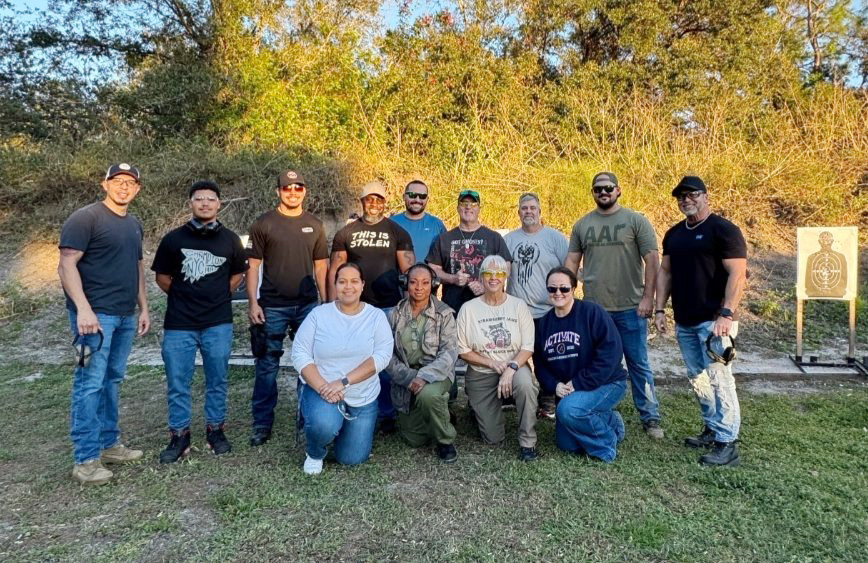
These opportunities not only expand your knowledge but also connect you with like-minded individuals who can share their experiences and insights.
Remember, every experienced gun owner was once a beginner. Stay curious, keep learning, and always prioritize safety in your firearms journey.
 Freedom Firearms & Manufacturing